EN
EN


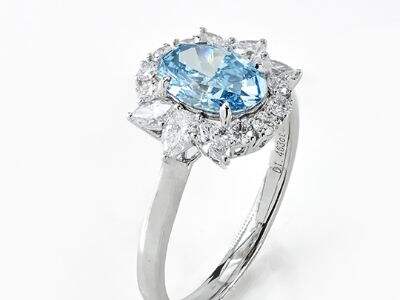
Diamonds made in a lab are gaining popularity for engagement rings and other jewelry. It’s natural to be curious about the value of one’s life. Are these diamonds a good investment over time? A diamond can be a costly purchase and many considerations go into determining its value, such as whether it is natural or lab grown. Crysdiam understands these values well. Lab-grown diamonds are created in a laboratory, and they have the same physical and chemical properties of mined diamonds. Yet when it comes to worth, things become somewhat complicated. While lab-grown Polished Diamond may seem to lose their value just like cars do when driven off the lot, they don’t necessarily have to. Let's investigate this issue to see what causes these diamonds' value.
Do lab-diamonds retain their value in the wholesale market?
Lab-grown diamonds occupy a special place in the wholesale market. While mined diamonds have been cherished for centuries, lab-grown versions are only now starting to get noticed. That means the market is still working out how much these stones are worth. In terms of prices, the lab-grown diamonds tends to be less expensive than natural diamonds. Partly as a result, they can depreciate more rapidly in the wholesale market. But that does not mean they have no value whatsoever. Indeed, some lab-grown diamonds can hold their value quite well over time, particularly if they’re good quality and hard to find. For example, to consumers seeking a beautiful stone that also checks the sustainability box, a perfect lab-grown Rough Diamond could be appealing. At some of these retailers, high-quality lab-grown diamonds cost even that much or nearly as much as natural diamonds. This is further marketing evidence that the demand for lab grown stones is increasing. So, no, they may not hold their value like mined diamonds do, but there is still a growing market for them. A diamond that is a top seller today may be less so in a few years, but great sellers know how to locate the buyer who would pay an excellent price for a lab-grown diamond.
Where do I buy lab-grown diamonds that will keep their value?
If you are interested in shopping for lab-grown diamonds that hold their value, it is important to know where to shop. You need to go to stores that sell top-quality diamonds only. And one good place to start is crysdiam. Their diamonds are manufactured with the care and precision that you demand to receive a quality product. Seek shops with high customer ratings and years of experience. The more reputable a store, the better their chances of selling you diamonds that will hold value for longer. I think things like timing can factor in: The best time to buy may be when certain trends create an environment that favors lab-grown diamonds. Research can help here. Also, try to buy from artisans who might provide for custom pieces and certifications. Whenever people look to invest in a lab-grown Diamond Material, it’s certified and that assures them. Reasonable return policies are also good bets, in case you change your mind and decide to sell later. Also, be sure to ask questions about the diamonds. The staff can educate you to know which sparklers are worth the investment. By being smart about shopping, you will find that certain lab-grown diamonds are beautiful and a wise investment.
Is it a good investment for the wholesale buyers of lab-grown diamonds?
Lab-grown diamonds are man-made rather than dug up from the ground. They are real diamonds and possess the same physical qualities as mined diamonds, though they generally cost less. This can be a wise move for wholesale buyers. Lab-grown diamonds in bulk can be cheaper to purchase, and less can be more accessible than natural diamonds because they involve fewer issues in the supply chain. But lab-grown diamonds have a different value than natural diamonds. It’s a popular myth that lab-grown diamonds don’t hold their value like natural diamonds. What this means: If you hope to resell them later, you may not receive the full amount of money that you paid. If you are a wholesale buyer, you need to think about the customer of your customer. If your customers are interested only in natural diamonds, you could have difficulty selling the lab-grown alternative. But if they’re willing to purchase lab-grown diamonds, you may well have a shot. Crysdiam is committed to offer lab grown diamonds of superior quality at a great price. So if you believe your customers are interested in these diamonds, then it might be a good investment to buy them through Crysdiam.
What are items to consider before buying lab-grown diamond wholesale?
As you ponder the prospect of purchasing wholesale lab-grown diamonds, there are a few factors to keep in mind. First, understand the market. Understand who your customers are, and what they want. Do they embrace lab-grown diamonds or prefer natural ones? You also want to consider what is in style and popular, when it comes to types of diamonds. For some, bigger diamonds are better; for others, smaller (or different shapes or colors) are. Another factor to consider is the quality of the diamonds. Lab-grown diamonds are not all created equal. Crysdiam has a range of diamonds, so inspecting their quality matters. You want to ensure that the diamonds you can sell will be bright, clear and sparkly. You also need to consider the pricing. Lab-grown diamonds are cheaper, but you need to get a good price from the supplier. Shopping through Crysdiam can save you a fortune on excellent quality diamonds. If you are feeling stingy, finally, consider the return policy. What if the diamonds fail to sell as anticipated? When you know the options available to return an item, that can mitigate any risk you may feel about the purchase.
How to evaluate the quality and value of laboratory single diamonds?
Evaluating the quality and value of lab-grown diamonds may appear tricky at first, but it’s actually quite simple once you know what to look for. Like natural diamonds, lab-grown stones are rated according to the “four C’s”: cut, color, clarity and carat weight. The cut is a measure of how well the diamond was shaped and reflects light. A well-cut diamond sparkles beautifully. The next factor is color: All diamonds are available in different colors, but the clear or nearly colorless diamond is popular among buyers. Clarity is how flawless or clear the diamond is from impurities or spots. The more transparent the diamond, the higher its value. Carat weight refers to the size of the diamond. A diamond that is larger tends to have a slightly higher value. If that’s okay, compare prices against similar lab-grown diamonds to get an idea of value. Crysdiam can produce certificated of their diamonds which can illustrate the quality and grades from reputable gemology schools. This is important because it lets you know that a quality product has been purchased. Take a close look at these and you’ll be in a better position to make intelligent judgments about the diamonds you buy, satisfying your customers and guarding your investment.
Table of Contents
- Do lab-diamonds retain their value in the wholesale market?
- Where do I buy lab-grown diamonds that will keep their value?
- Is it a good investment for the wholesale buyers of lab-grown diamonds?
- What are items to consider before buying lab-grown diamond wholesale?
- How to evaluate the quality and value of laboratory single diamonds?