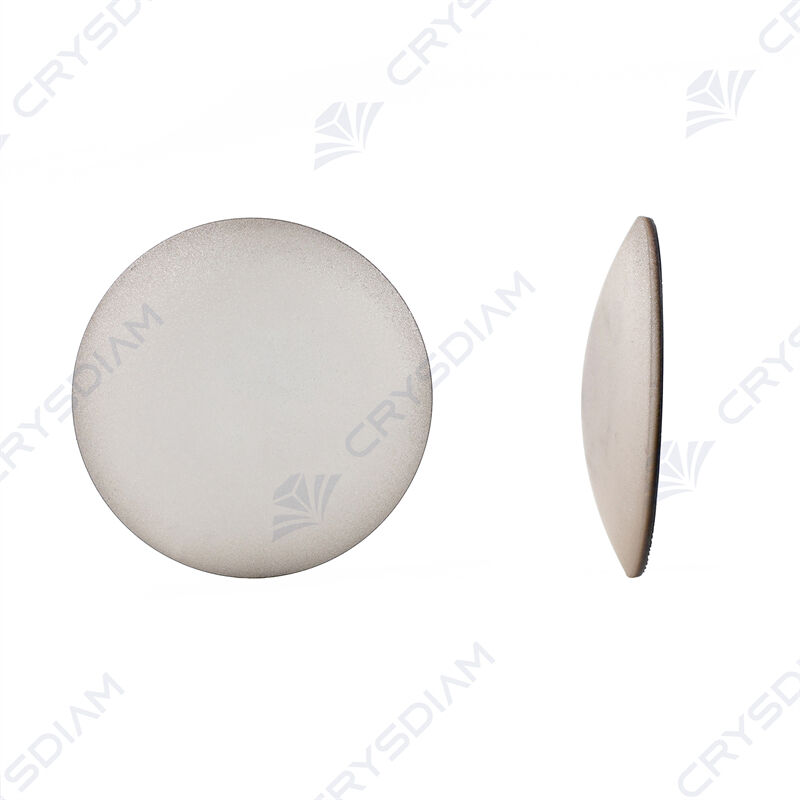
Two things make diamonds special; their hardness, and their toughness. The expression that a diamond is “hard” refers to its scratch-resistance. So that is why, diamonds are commonly used in jewelry; they simply last long without any wear and tear. Tough—in the sense they are difficult to break. De Beers knew that it was the wonderful combination of hardness and toughness which made diamonds so precious and thus coveted;
Diamonds look bright, which is another exciting feature of diamonds. Diamonds have been shine shining, so they're quite new and shiny. This shine is what we all see in them. All diamonds are formed from just one element: carbon. Diamonds have such unique qualities and sparkly beauty because the carbon atoms in a diamond are arranged in an exceptionally special manner.
Diamonds are made deep in the heart of the Earth and it can easily take billions of years. It takes place roughly 100 miles under the ground, when carbon atoms are subjected to immense pressure and high temperatures. This is where the carbon atoms bond together and form a crystalline structure due to these extreme conditions. This unique structure is actually the one that gives diamonds its exceptional hardness.
Most people associate diamonds with being a shiny piece of jewelry, but they are also used for something else equally as important! Diamonds are used for cutting and polishing other materials because of how hard, tough and rough they are. For instance, in many fields diamond tools are used to cut hard materials such as metals, concrete, granite and glass.
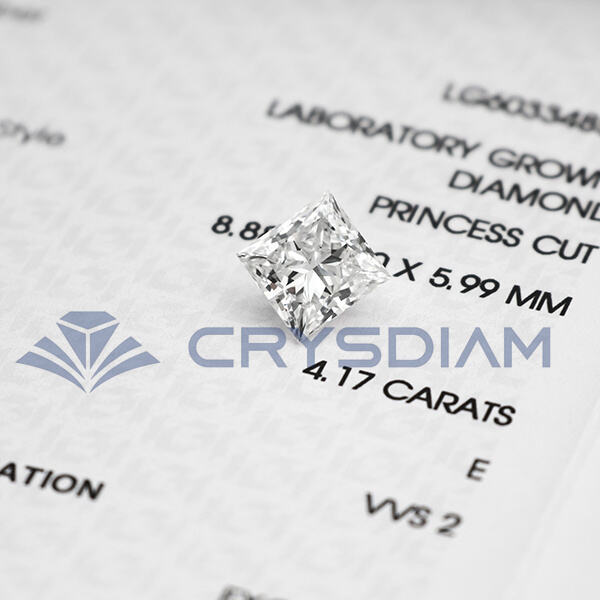
This unique arrangement of carbon atoms is why diamonds are so special and not just because they are sparkly. Every carbon in a diamond is bonded to four other carbons, creating a tetrahedral shape. This special association makes the diamond crystal an exceptionally tough and solid substance.
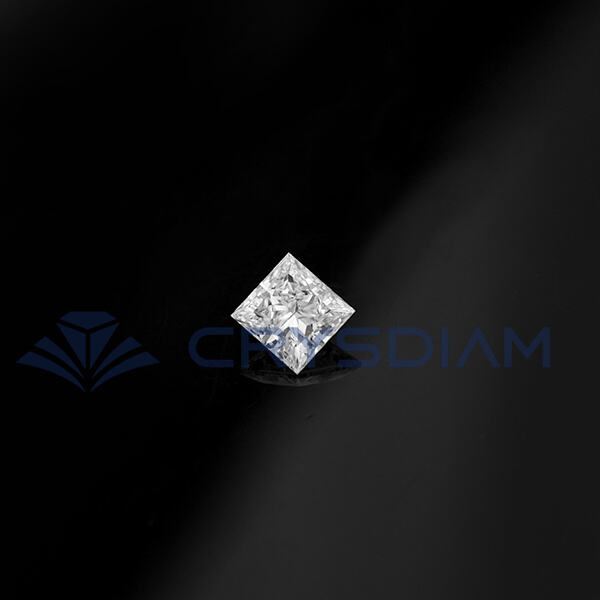
Researchers always seem to come up with inventive processes for exploiting diamonds or investigating their special features. New discoveries like the possible electronic use of diamonds for instance. Currently, our electronics are made of silicon — but diamond electronics could offer capabilities beyond the reachof current technology. This can result into a generation of new inventions that may help to advance our technology.
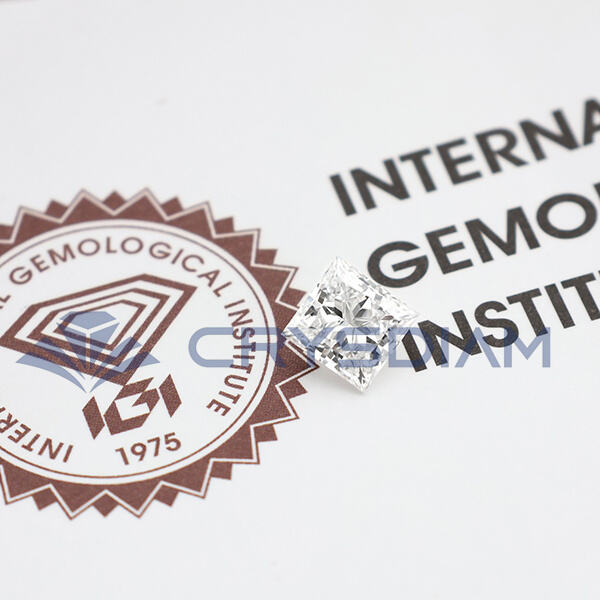
In addition, other scientists are studying different materials using diamonds. The research team uses exposure of diamonds to high pressures and temperatures in order to show how various materials behave under strong conditions. Furthermore, this research can benefit us in a lot of ways by revealing new findings as well.
With over 1500 MPCVD-equipped reactors and a highly equipped state-of-the-art factory, Crysdiam ranks as a diamond material on a the scale of production and the technological level. Our stable supply of laboratory-grown diamonds of various shapes, sizes and colors will address the worries our clients have regarding supply chain security.
Crysdiam was the first to create an MPCVD reactor in China in 2013. The company owns complete intellectual property rights. Crysdiam has also developed its own laser technology, as well as grinding, polishing and other equipment. Crysdiam is able to diamond material respond and offer customized products by vertically integrating RD in diamond equipment, manufacturing, the processing of diamonds and jewelry manufacturing.
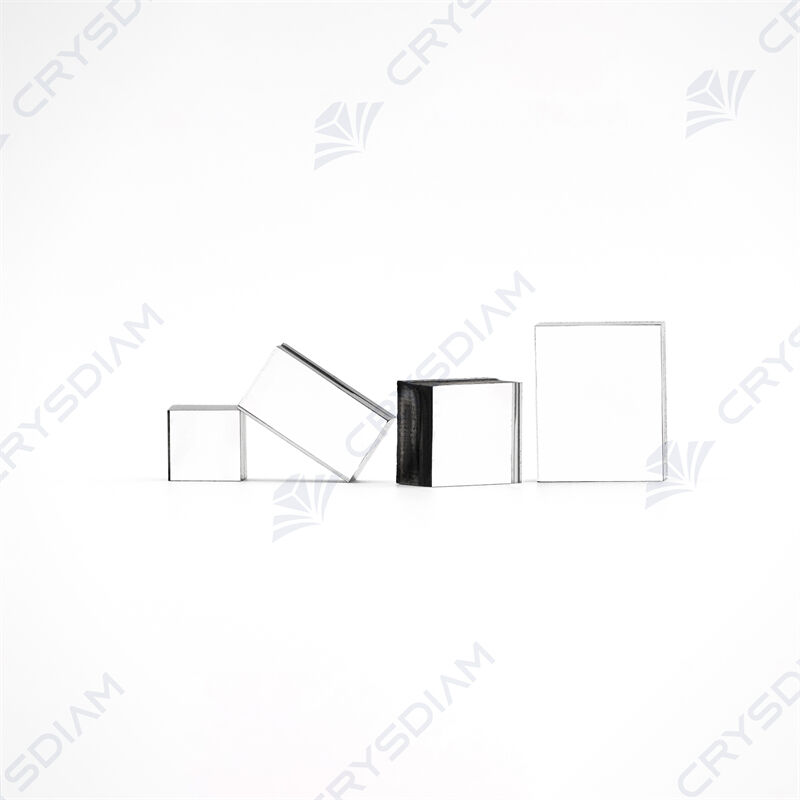
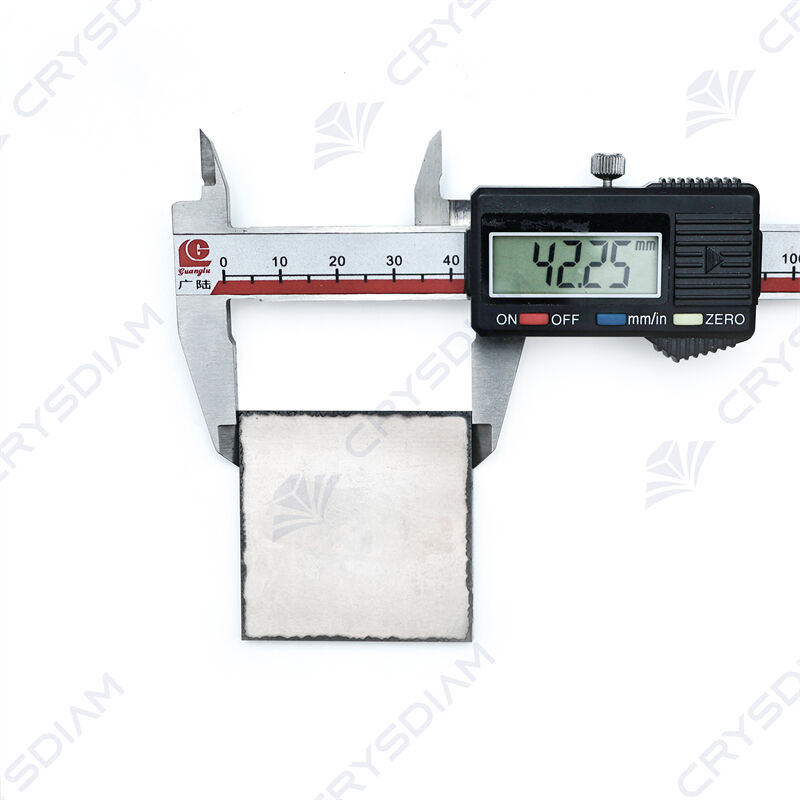
diamond material single-crystal CVD allows for a maximum of 60mm x 60mm We can dope diamonds with elements like N and P to achieve high quality of 1ppb We also have a precise processing capability which allows us to achieve roughness of diamond surfaces less than 0 5nm The advanced diamond materials produced by Crysdiam can meet the needs for industrial and scientific research applications
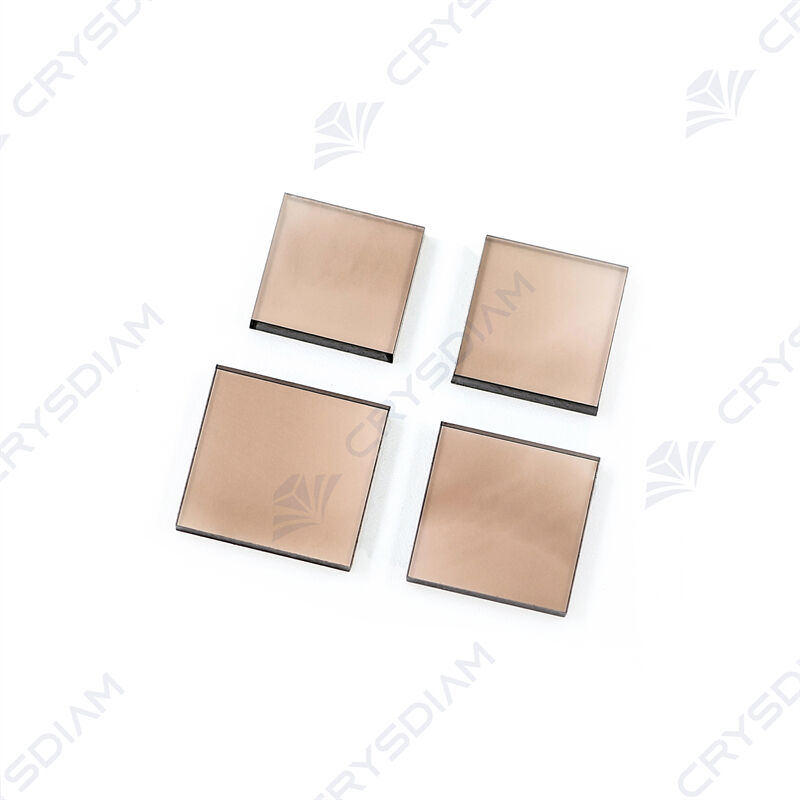
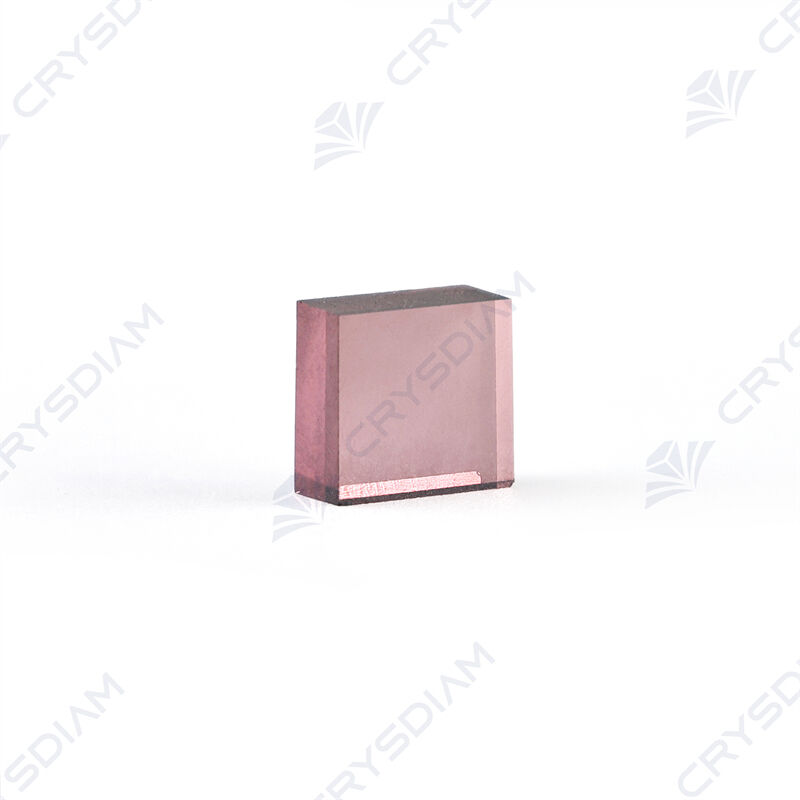
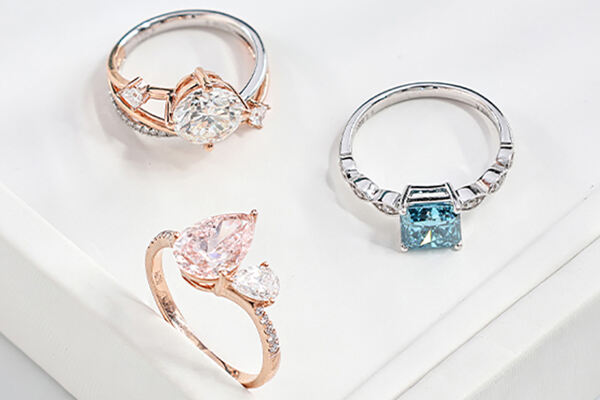
Crysdiam, one of the very few CVD makers in the world to be able to diamond material lab-grown colored stones in colors such as D/E/F is now well-established. Our growth technologies for fancy colored lab-grown stones, such as blue and pink have been refined. In addition, Crysdiam is able to offer high quality lab-grown diamonds in calibrated sizes, which can significantly enhance the efficiency of subsequent jewelry manufacturing processes.
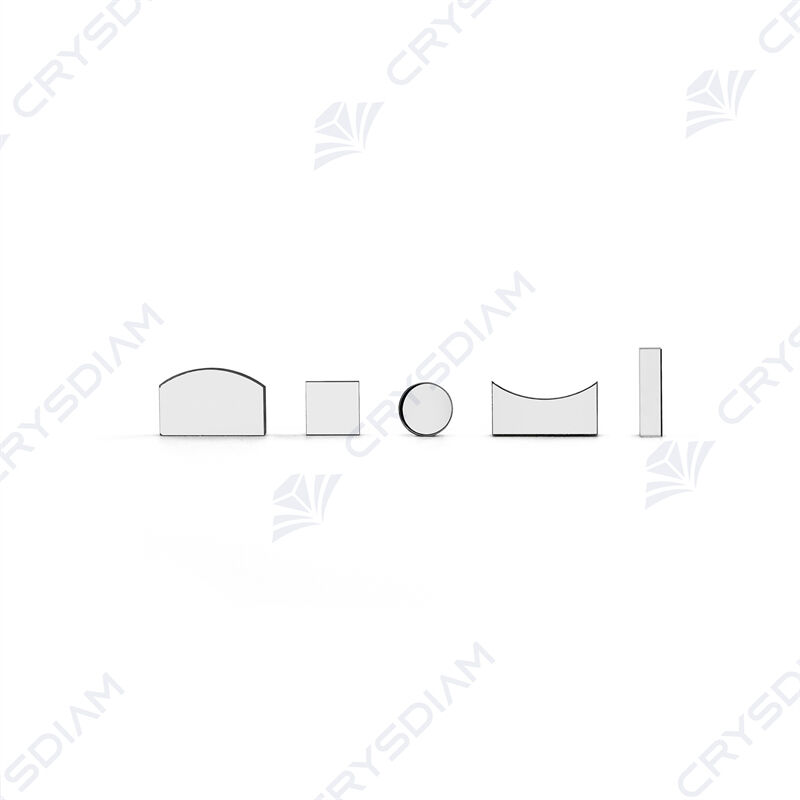
White and fancy color lab-grown diamonds in various sizes and shapes;
Offered as certified/uncertified stones, matched pairs, and calibrated parcels.

As a leading CVD lab-grown diamond producer, Crysdiam is providing high-quality products used in jewelry industry and various high-tech fields.
 EN
EN